Mastering Google Trends for Blog Ideas: A Step-by-Step Guide to SEO Success
Are you tired of staring at a blank page, desperately trying to come up with a brilliant blog idea? Well, put down that coffee cup and stop scratching your head, because we've got the solution for you. In this tutorial, you'll learn how to use Google Trends to generate a plethora of blog ideas that will drive traffic, boost engagement, and make you the envy of all your fellow bloggers. So, buckle up and let's dive into the world of Google Trends, the ultimate tool for maximizing your SEO and finding the perfect blog topics.
Step 1: Understanding Google Trends and Its Benefits for Blogging
Google Trends is a powerful tool that analyzes the popularity of search terms and topics on Google. By using Google Trends, you can identify trending topics, compare search volume, and even explore related queries. For bloggers, this means finding inspiration for articles that people are actually searching for, increasing the chances of ranking higher in search engine results. To get started, simply visit the Google Trends website and explore the different features, such as the "Trending" page, which showcases the most popular topics of the day.
Step 2: Brainstorming Blog Ideas with Google Trends Topics
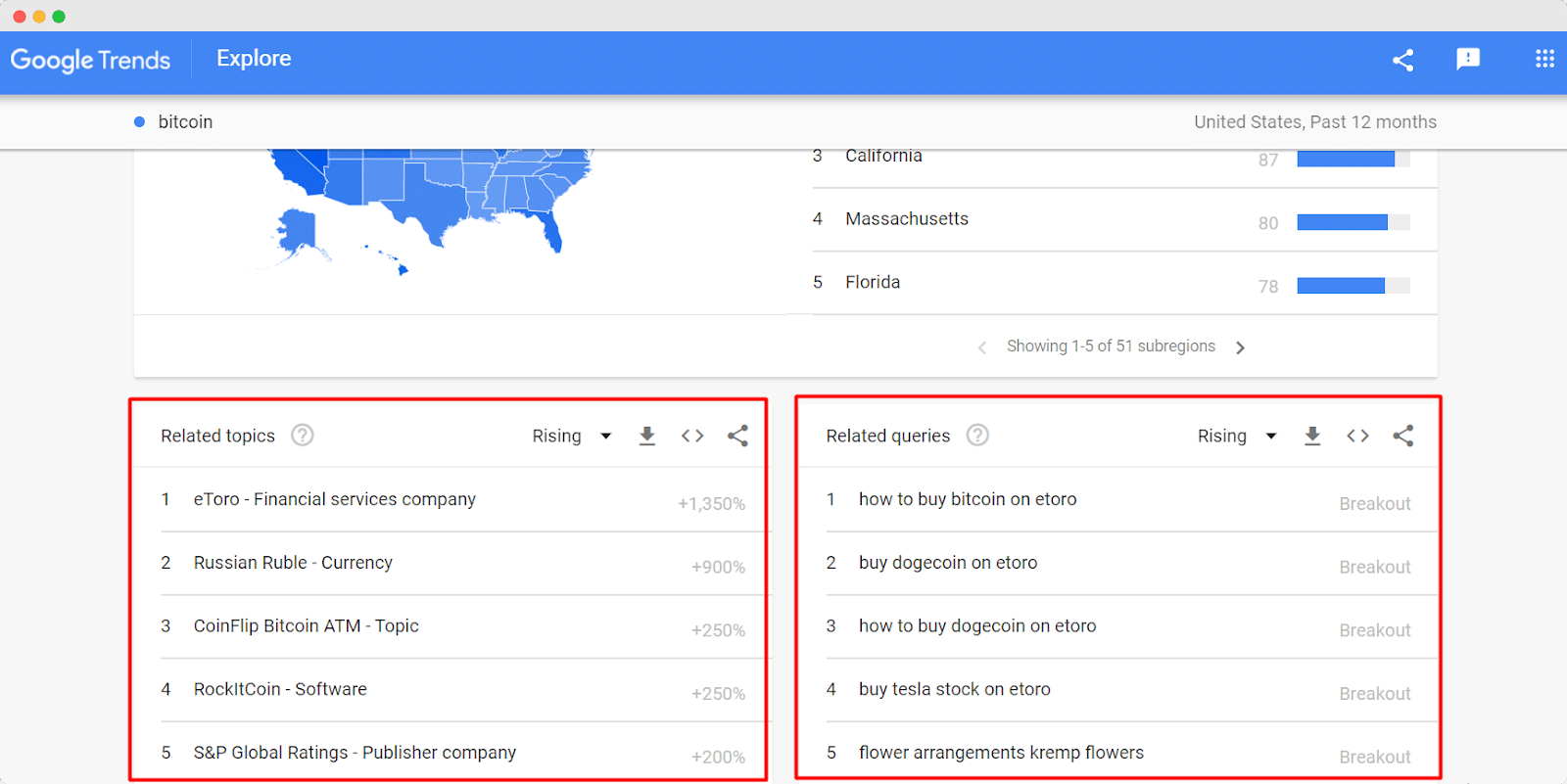
Now that you've explored the Google Trends website, it's time to start brainstorming blog ideas. One of the best ways to do this is by using the "Topics" tab, which allows you to browse trending topics by category. For example, if you're a fashion blogger, you can browse the "Fashion" topic to see what's currently trending. You can also use the "Related topics" section to find inspiration for related articles. Remember, the key to using Google Trends for blog ideas is to find topics that are relevant to your niche and have a high search volume.
Step 3: Analyzing Search Volume and Competition with Google Trends
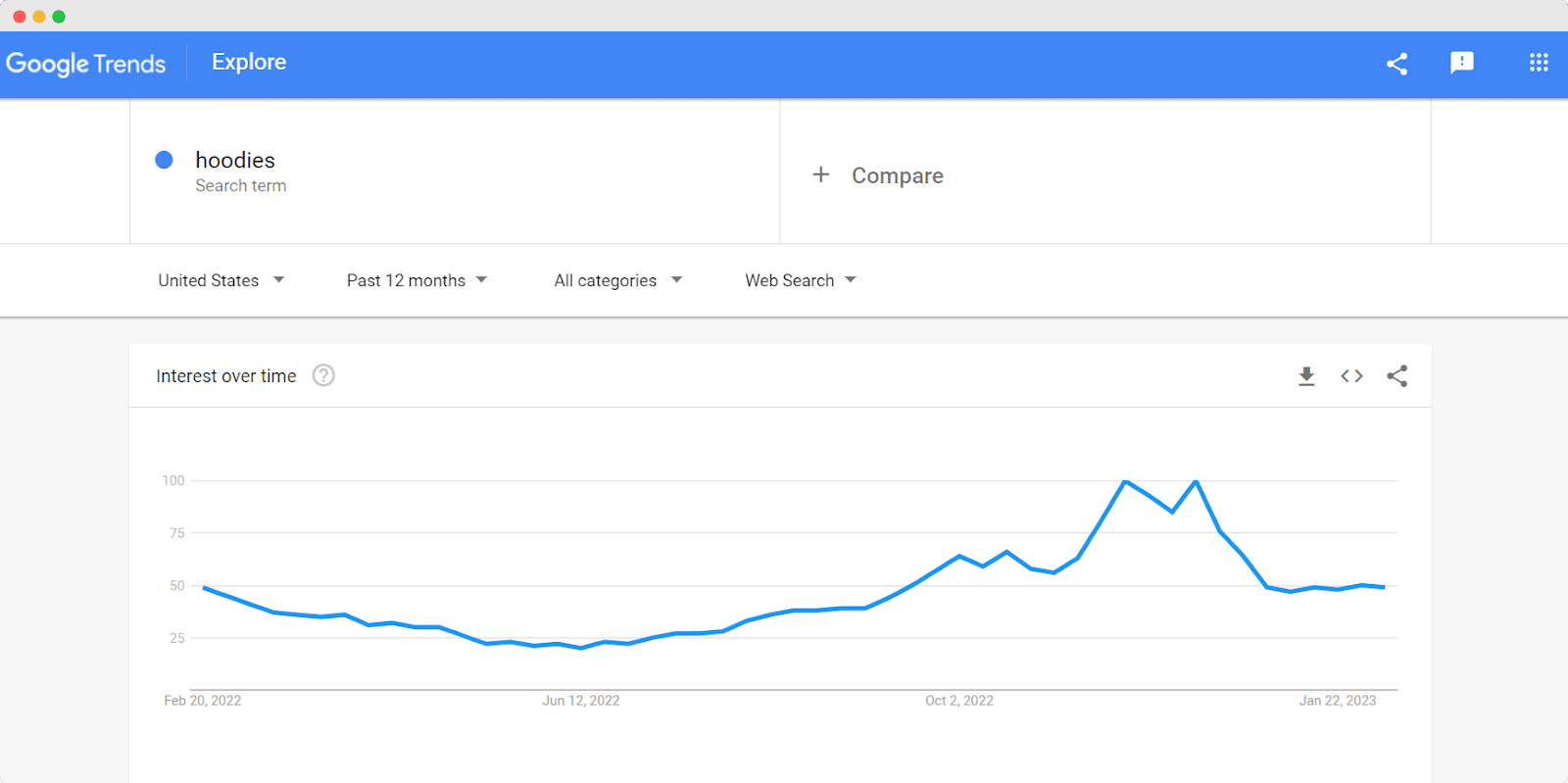
Once you've found a potential blog topic, it's essential to analyze the search volume and competition. Google Trends allows you to compare the search volume of different keywords and topics, giving you an idea of which ones are more popular. You can also use the "Related queries" section to find long-tail keywords that have lower competition and higher conversion rates. For example, if you're writing about "summer fashion trends," you can use Google Trends to compare the search volume of "summer dresses" vs. "summer outfits," and find related queries like "summer fashion tips" or "summer clothing sales."
Step 4: Identifying Trends and Patterns with Google Trends
Google Trends is not just about finding popular topics; it's also about identifying trends and patterns. By analyzing the search volume and related queries, you can spot emerging trends and create content that's ahead of the curve. For example, if you notice a spike in searches for "sustainable fashion" during the summer months, you can create content that caters to this trend, such as "10 eco-friendly fashion tips for summer" or "The best sustainable fashion brands for summer dresses." Remember, the key to using Google Trends for blog ideas is to stay up-to-date with the latest trends and patterns.
Step 5: Creating a Content Calendar with Google Trends Inspiration
Now that you've found a plethora of blog ideas using Google Trends, it's time to create a content calendar. A content calendar helps you organize and plan your content in advance, ensuring that you're consistently publishing high-quality articles that cater to your audience's needs. Use Google Trends to inspire your content calendar by scheduling topics that are currently trending or have a high search volume. You can also use the "Related topics" section to find inspiration for related articles and create a series of posts that cater to a specific theme or niche.
Step 6: Optimizing Your Blog Posts for SEO with Google Trends Keywords
Once you've created your content calendar, it's essential to optimize your blog posts for SEO. Google Trends can help you find the perfect keywords and phrases to include in your articles, increasing the chances of ranking higher in search engine results. Use the "Related queries" section to find long-tail keywords that have lower competition and higher conversion rates, and include them in your meta title, meta description, and headings. Remember, the key to using Google Trends for SEO is to find keywords that are relevant to your content and have a high search volume.
Step 7: Tracking Your Progress and Analyzing Results with Google Trends
Finally, it's essential to track your progress and analyze the results of your Google Trends-inspired blog posts. Use Google Analytics to monitor your website traffic, engagement, and conversion rates, and adjust your content calendar accordingly. You can also use Google Trends to compare the search volume of different keywords and topics, giving you an idea of which ones are more effective. Remember, the key to using Google Trends for blog ideas is to stay up-to-date with the latest trends and patterns, and adjust your content strategy accordingly.
Step 8: Staying Up-to-Date with Google Trends and Industry News
To get the most out of Google Trends, it's essential to stay up-to-date with the latest trends and patterns. Follow industry leaders, blogs, and social media accounts to stay informed about the latest developments in your niche. You can also use Google Trends to find inspiration for blog posts by browsing the "Trending" page, which showcases the most popular topics of the day. Remember, the key to using Google Trends for blog ideas is to stay curious and keep exploring new topics and trends.
Step 9: Using Google Trends for Social Media and Content Marketing
Finally, Google Trends is not just limited to blog ideas; it can also be used for social media and content marketing. Use Google Trends to find inspiration for social media posts, such as trending topics, hashtags, and keywords. You can also use Google Trends to create content marketing campaigns that cater to your audience's needs, such as ebooks, webinars, and email courses. Remember, the key to using Google Trends for social media and content marketing is to stay up-to-date with the latest trends and patterns, and adjust your strategy accordingly.
Frequently Asked Questions:
Q: How do I access Google Trends?
A: You can access Google Trends by visiting the Google Trends website.
Q: How do I use Google Trends for blog ideas?
A: You can use Google Trends to find inspiration for blog posts by browsing the "Trending" page, exploring topics, and analyzing search volume and competition.
Q: How do I optimize my blog posts for SEO with Google Trends keywords?
A: You can optimize your blog posts for SEO by including Google Trends keywords and phrases in your meta title, meta description, and headings.
How To Use Google Trends: 9 Tips & Tricks For Maximizing Your SEO
How To Use Google Trends: 9 Tips & Tricks For Maximizing Your SEO ...
How To Use Google Trends For Blog Ideas In 2025 Guide | Blogteq

How to Use Google Trends for Blog Ideas in 2025 Guide | Blogteq
How To Use Google Trends For Blog - ClashPanda

How to Use Google Trends for Blog - ClashPanda