How to Find Easy-Ranking Blog Topics: A Beginner's Guide to Finding Trending Subjects
Are you struggling to come up with blog topics that resonate with your audience and rank well on search engines? Look no further. In this step-by-step tutorial, we'll show you how to find easy-ranking blog topics that drive traffic and boost your online presence. By the end of this guide, you'll be equipped with the skills to identify trending subjects, create engaging content, and outshine your competitors. So, let's dive in and explore the world of easy-ranking blog topics.
Step 1: Brainstorming and Researching Trending Blog Topics
To find easy-ranking blog topics, you need to start by brainstorming and researching trending subjects. Begin by asking yourself what problems your target audience is trying to solve. What are their pain points, and how can you provide solutions? Make a list of potential topics and then use online tools such as Google Trends, Keyword Planner, or social media to see what's currently trending. For example, if you're a fitness blogger, you could research topics like "workout routines for beginners" or "healthy meal planning ideas." 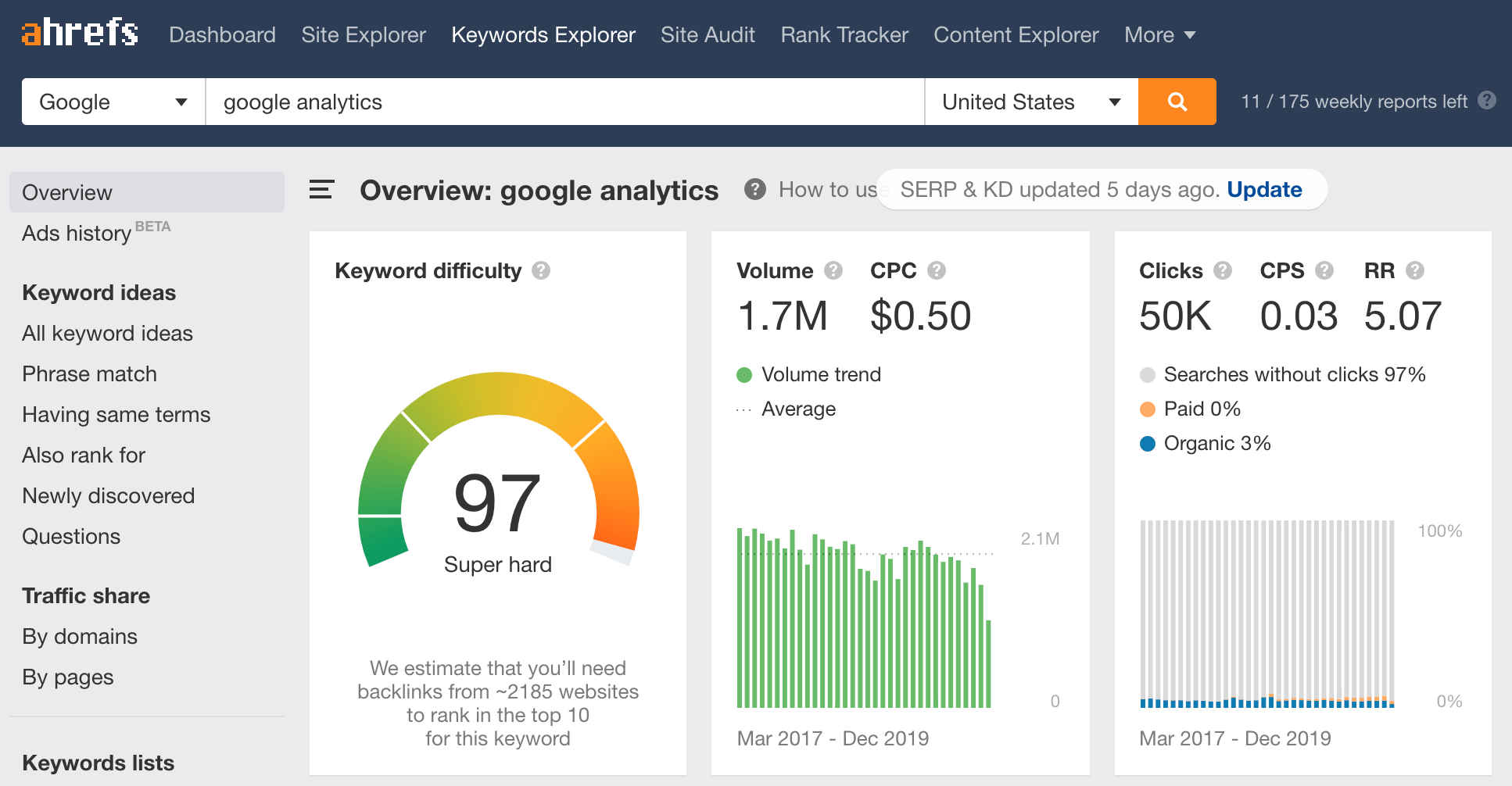
Step 2: Identifying Low-Competition Keywords for Easy-Ranking Blog Topics
Once you have a list of potential topics, it's time to identify low-competition keywords that can help your blog posts rank easily. Use tools like Ahrefs, SEMrush, or Moz to analyze keyword competition and find gaps in the market. Look for keywords with low competition and high search volume. For instance, instead of targeting the keyword "weight loss," you could target "weight loss for women over 40" or "plant-based weight loss diets." 
Step 3: Analyzing Competitor Content for Easy-Ranking Blog Topics
To create easy-ranking blog topics, you need to analyze your competitor's content and identify gaps in the market. Look at their blog posts, social media, and other online content to see what's working for them and what's not. Use tools like BuzzSumo or Ahrefs to analyze their content and find topics that are lacking in depth or quality. For example, if you're a food blogger, you could analyze your competitor's recipe posts and identify topics like "vegan recipes for beginners" or "gluten-free meal planning ideas."
Step 4: Creating Engaging and Informative Content for Easy-Ranking Blog Topics
Now that you have a list of easy-ranking blog topics, it's time to create engaging and informative content. Use your research and analysis to craft high-quality blog posts that provide value to your readers. Make sure your content is well-structured, easy to read, and optimized for SEO. Use headings, subheadings, and bullet points to break up your content and make it scannable. For instance, if you're writing about "workout routines for beginners," you could include headings like "Getting Started," "Warm-Up Exercises," and "Cool-Down Stretches."
Step 5: Optimizing Your Blog Posts for Easy-Ranking
To ensure your blog posts rank easily, you need to optimize them for SEO. Use keywords strategically throughout your content, including in your title, meta description, and headings. Make sure your blog posts are mobile-friendly, load quickly, and have a clear call-to-action. Use internal and external linking to enhance your content and provide additional value to your readers. For example, if you're writing about "healthy meal planning ideas," you could link to other relevant posts like "meal planning tips for beginners" or "healthy recipe ideas for weight loss."
Step 6: Promoting Your Blog Posts for Maximum Visibility
Finally, to get the most out of your easy-ranking blog topics, you need to promote your blog posts for maximum visibility. Share your content on social media, engage with your audience, and encourage sharing and commenting. Use email marketing to reach your subscribers and drive traffic to your blog. Collaborate with other bloggers or influencers in your niche to expand your reach and build backlinks to your blog. For instance, if you're a fitness blogger, you could collaborate with a nutritionist or a personal trainer to create content and promote each other's work.
Frequently Asked Questions
Q: How do I find easy-ranking blog topics that resonate with my audience?
A: Use online tools like Google Trends, Keyword Planner, or social media to research trending subjects and identify gaps in the market.
Q: What are low-competition keywords, and how do I find them?
A: Low-competition keywords are keywords with low competition and high search volume. Use tools like Ahrefs, SEMrush, or Moz to analyze keyword competition and find gaps in the market.
Q: How do I create engaging and informative content for easy-ranking blog topics?
A: Use your research and analysis to craft high-quality blog posts that provide value to your readers. Make sure your content is well-structured, easy to read, and optimized for SEO.
7 Effective Strategies To Research For Blog Topics

7 Effective Strategies to Research for Blog Topics
9 Awesome Methods To Find Blog Topics To Write About
9 Awesome Methods to Find Blog Topics to Write About
How To Find Blog Topics That Improve SEO?

How to find blog topics that improve SEO?