Boosting Website Traffic with SEO: A Beginner's Guide to Getting More Visits
Welcome to this step-by-step tutorial on how to increase website traffic using search engine optimization (SEO) techniques. In this guide, we will walk you through the process of enhancing your website's visibility, driving more organic traffic, and ultimately boosting your online presence. By the end of this tutorial, you will have a solid understanding of how to get more SEO traffic to your website, resulting in increased engagement, conversions, and revenue. So, let's dive in and explore the world of SEO and digital marketing.
Step 1: Conducting Keyword Research for SEO Traffic
To start driving more traffic to your website, you need to understand what your target audience is searching for. Conducting thorough keyword research is crucial in identifying relevant keywords and phrases that can help your website rank higher in search engine results pages (SERPs). You can use tools like Google Keyword Planner, Ahrefs, or SEMrush to find the best keywords for your content. For example, if you have a fashion blog, you can use keywords like "summer outfits," "fashion trends," or "style tips" to attract more traffic. 
Step 2: Optimizing On-Page Elements for SEO Traffic
Once you have identified your target keywords, it's time to optimize your website's on-page elements to improve your search engine rankings. This includes optimizing your page titles, meta descriptions, headings, and content. Make sure your page titles are descriptive, concise, and include your target keywords. Your meta descriptions should be compelling, informative, and entice users to click through to your website. Use header tags (H1, H2, H3, etc.) to structure your content and highlight important keywords. 
Step 3: Creating High-Quality, Engaging Content for SEO Traffic
High-quality, engaging content is essential for driving more traffic to your website. Your content should be informative, entertaining, and provide value to your target audience. Use your keyword research to create content that resonates with your audience and addresses their needs. Make sure your content is well-structured, easy to read, and includes relevant images, videos, or infographics. Use internal and external linking to enhance user experience and increase your website's authority. For example, if you have a blog post about "summer outfits," you can link to other relevant articles like "fashion trends" or "style tips" to keep users engaged.
Step 4: Building High-Authority Backlinks for SEO Traffic
Backlinks from high-authority websites are crucial for improving your website's credibility and search engine rankings. Reach out to other websites, bloggers, or influencers in your niche and ask for links to your content. You can also participate in guest blogging, where you write content for other websites and include a link back to your website. Use tools like Ahrefs or Moz to analyze your backlink profile and identify opportunities for improvement.
Step 5: Utilizing Technical SEO for Improved Website Traffic
Technical SEO refers to the process of optimizing your website's technical aspects to improve user experience and search engine rankings. This includes optimizing your website's speed, mobile responsiveness, and SSL encryption. Use tools like Google PageSpeed Insights or GTmetrix to analyze your website's speed and identify areas for improvement. Make sure your website is mobile-friendly, as this is now a key ranking factor. Install an SSL certificate to secure your website and protect user data.
Step 6: Leveraging Local SEO for Increased Website Traffic
If you have a local business, optimizing your website for local SEO can help drive more traffic and increase conversions. Use keywords that include your location, such as "New York fashion boutique" or "London style tips." Create a Google My Business listing and optimize it with accurate and up-to-date information. Use local citations and directories to increase your online presence and build high-authority backlinks.
Step 7: Analyzing and Tracking SEO Traffic Results
To measure the success of your SEO efforts, you need to analyze and track your website's traffic and engagement metrics. Use tools like Google Analytics or SEMrush to monitor your website's traffic, engagement, and conversion rates. Track your keyword rankings and adjust your SEO strategy accordingly. Use A/B testing to experiment with different content, meta tags, and other elements to improve your website's performance.
Frequently Asked Questions (FAQs)
Q: How long does it take to see results from SEO? A: SEO is a long-term strategy, and results can take several months to a year or more to materialize. Q: What is the most important factor in SEO? A: High-quality, engaging content is essential for driving more traffic to your website. Q: How can I improve my website's speed? A: Use tools like Google PageSpeed Insights or GTmetrix to analyze your website's speed and identify areas for improvement. Q: What is the difference between SEO and PPC? A: SEO is a long-term strategy that focuses on organic traffic, while PPC (pay-per-click) is a paid advertising model that drives instant traffic to your website.
Drive More Visitors: SEO Strategies To Boost Website Traffic
Drive More Visitors: SEO Strategies to Boost Website Traffic
How To Grow Your Website Traffic With SEO
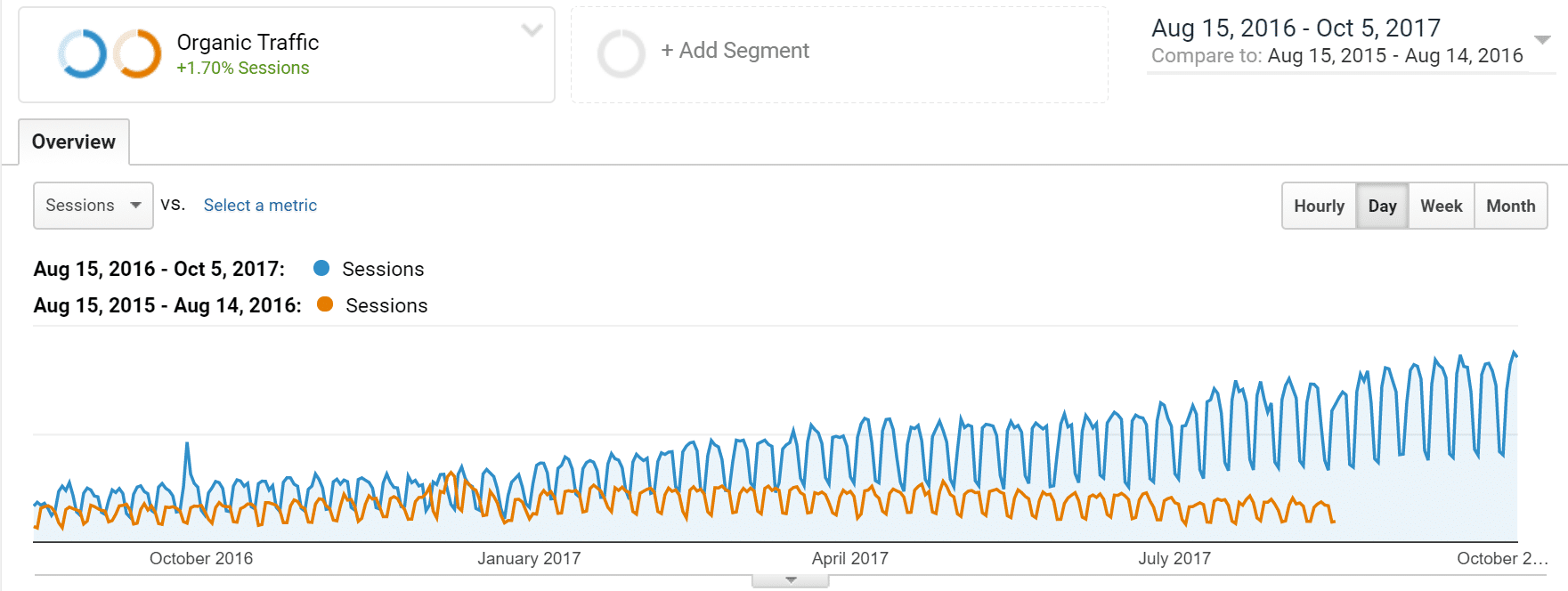
How To Grow Your Website Traffic with SEO
3 Free Tips To Increase Website Traffic And SEO | Results Repeat
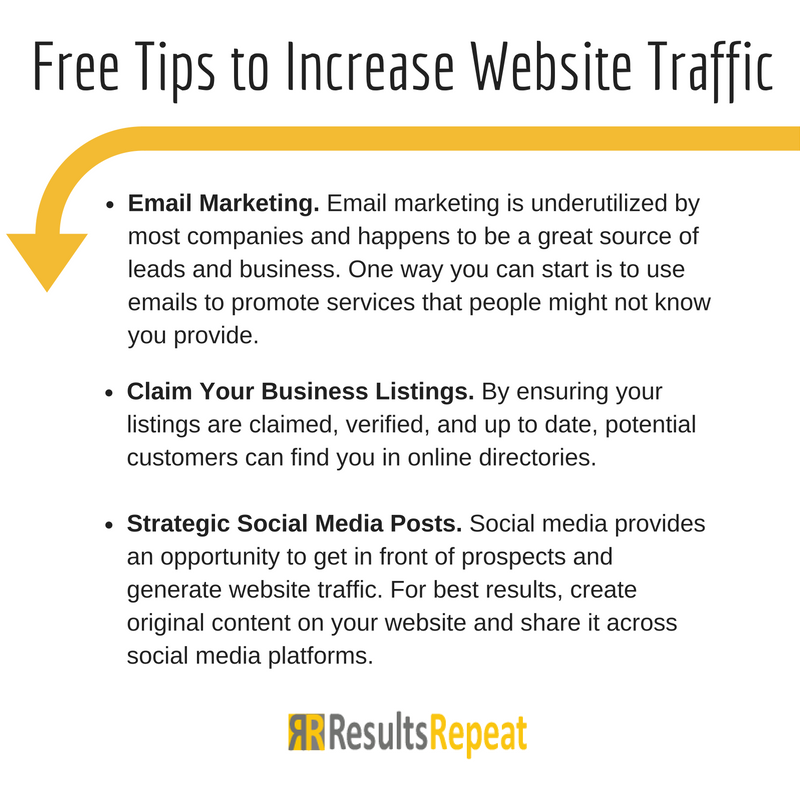
3 Free Tips to Increase Website Traffic and SEO | Results Repeat